Many languages in nurseries and preschools

This case focuses on the linguistic diversity found in groups of children in early childhood education settings and schools. In preparation for the case, reflect on which languages you have some familiarity with. You may be able to express yourself coherently in relatively few languages, but you may also be familiar with many others in which you know only individual words or can form a simple sentence. Children must be given the opportunity to express themselves even if they do not yet command many words in the common language used in the early childhood setting. Through working with this case, you will be challenged to consider how we can create good communicative situations between children, and between children and staff, despite potentially very different linguistic backgrounds.

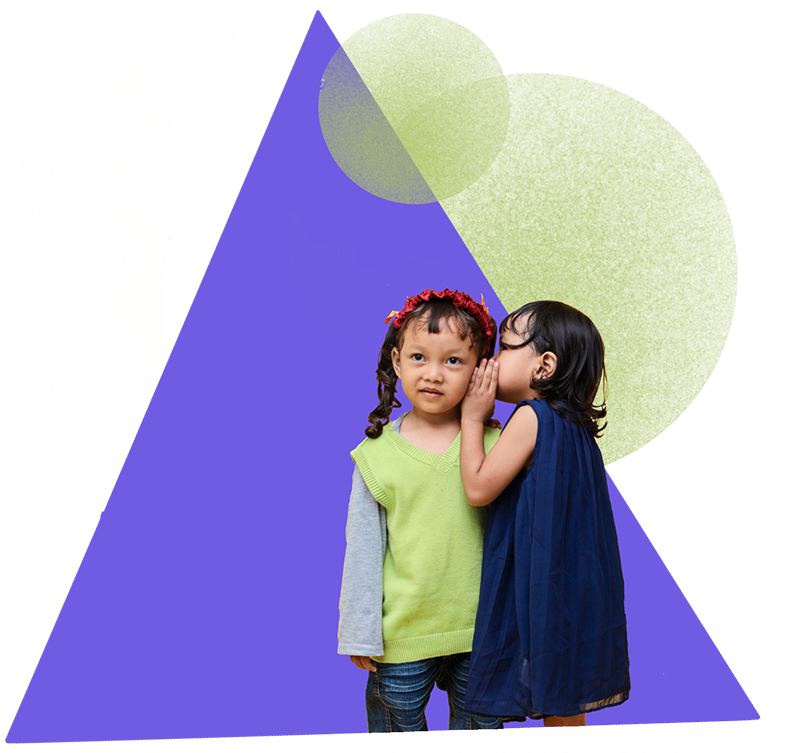
Film 1 – Many languages in nurseries and preschools

Reflection

What would you do when two children clearly do not understand each other, and you yourself do not understand the child who is trying to communicate?

Film 2 – Many languages in nurseries and preschools

Reflection

Are there other ways to acknowledge the child’s communicative intention in this context?

Film 3 – Many languages in nurseries and preschools

Reflection

What would you do to make the boy’s interest in a picture book about a fox relevant for the whole group of children?

Film 4 – Many languages in nurseries and preschools

Reflection

How would you work with these words in a kindergarten or preschool group?

Film 5 – Many languages in nurseries and preschools

Reflection

Which other words might be suitable as a basis for multilingual project work?

Are terms for characters or figures more engaging for children than other types of words? If so, what makes them more engaging?